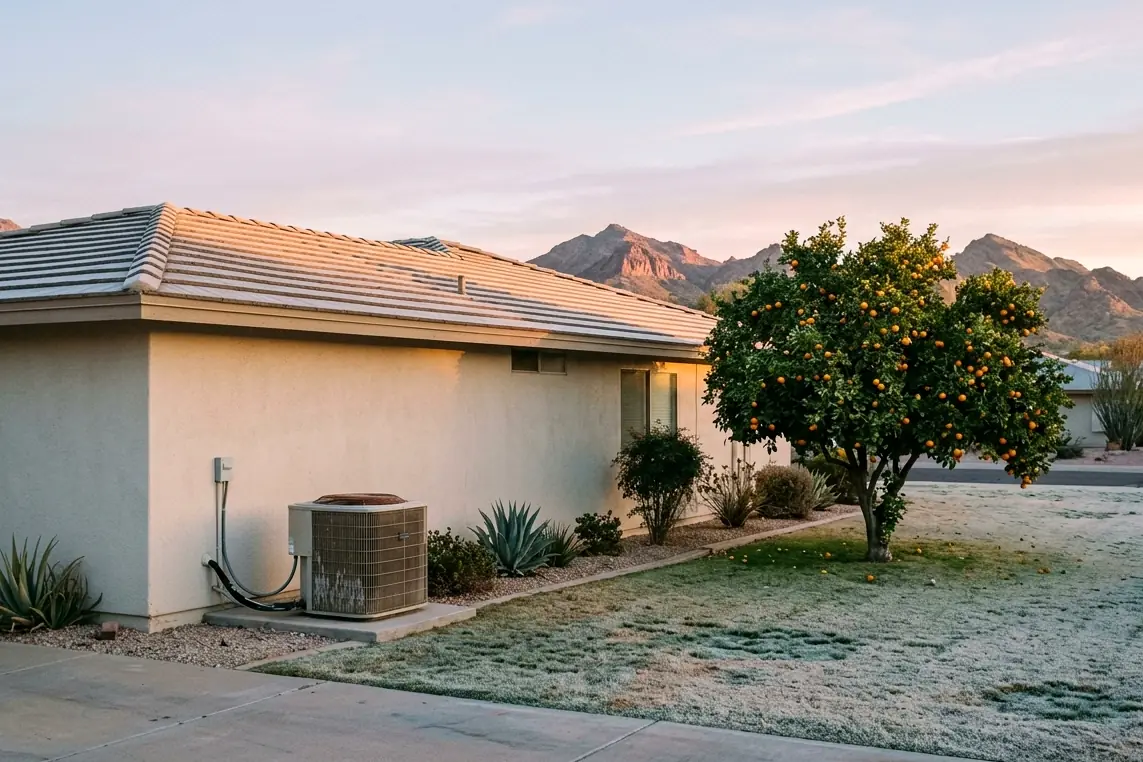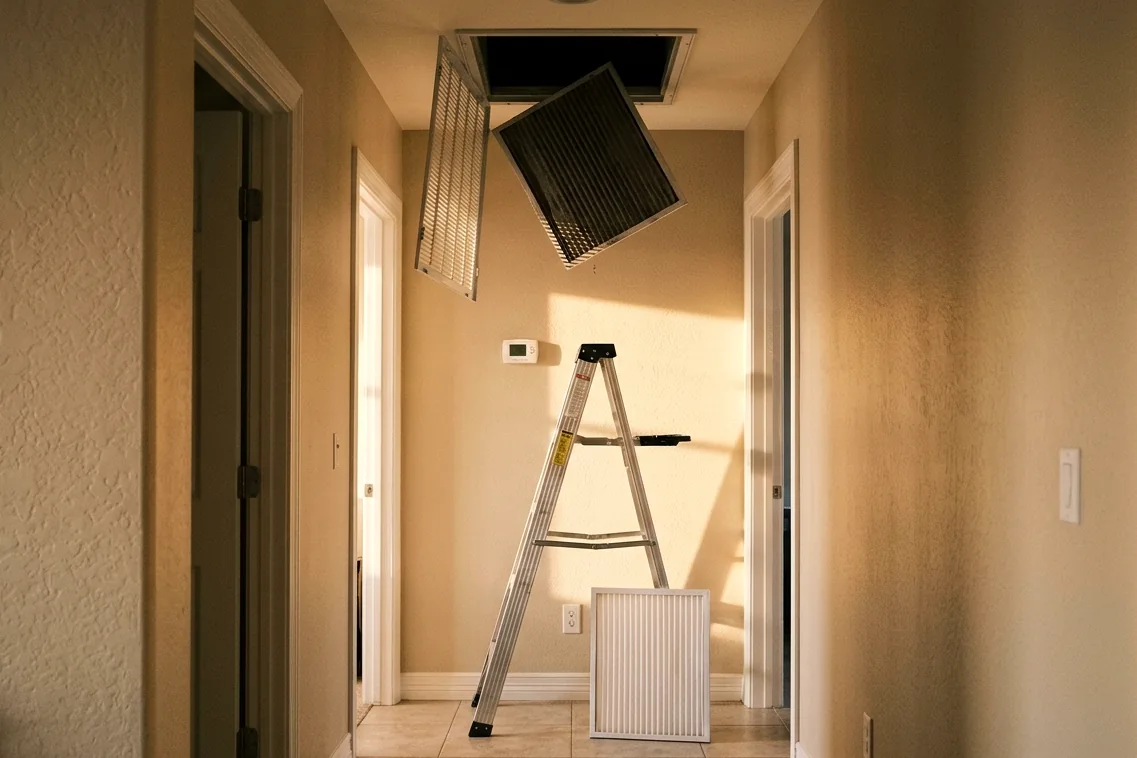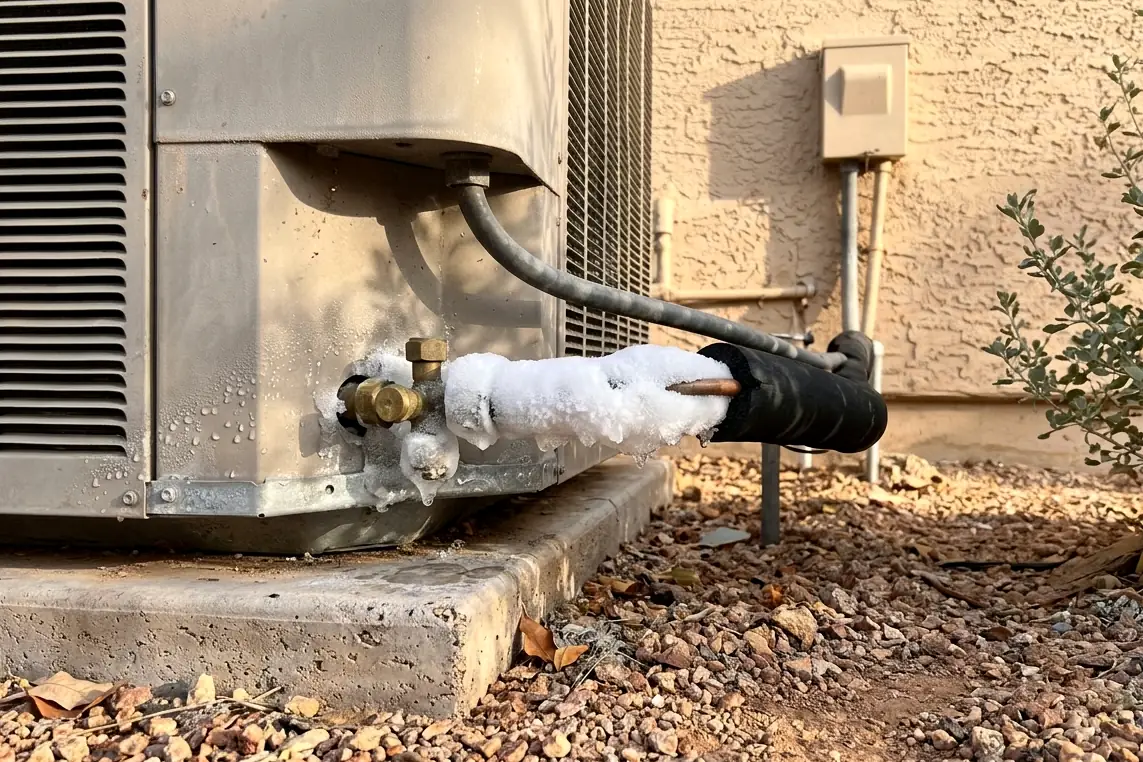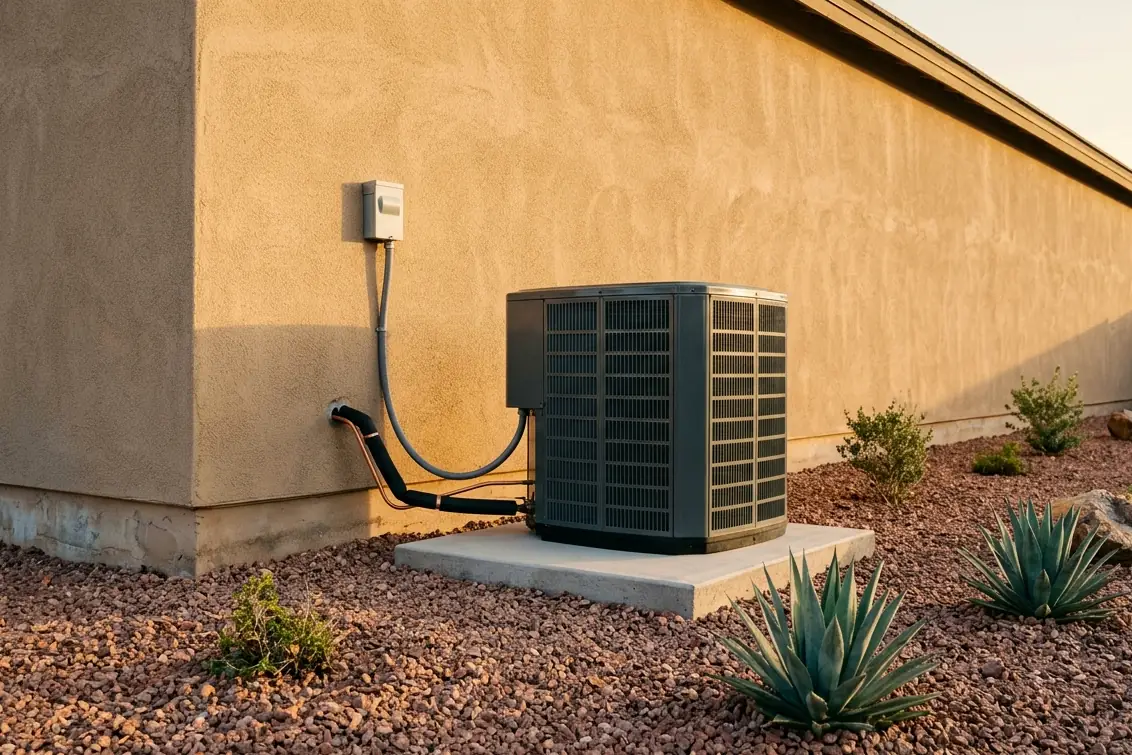
SEER2 is the efficiency rating that replaced SEER in 2023. It uses a tougher test that better reflects real ductwork, so SEER2 numbers read a bit lower than old SEER numbers for similar equipment. A2L refrigerants, such as R-454B and R-32, are used in new residential AC and heat pump equipment made since 2025. Arizona sits in the Southwest region, which has higher minimum efficiency rules for central AC.
What is SEER2, and why did the rating change?
SEER stands for seasonal energy efficiency ratio, a measure of how much cooling a system delivers for the electricity it uses over a typical cooling season. In 2023 the industry moved to SEER2, which uses an updated test procedure. The biggest difference is that SEER2 testing assumes higher external static pressure, meaning more resistance from ductwork, filters and registers. That is much closer to how equipment actually performs in a real house than the old lab conditions were.
Because the test is tougher, the same piece of equipment earns a slightly lower number under SEER2 than it did under SEER. A system that once carried a certain SEER rating will show a somewhat smaller SEER2 figure, even though nothing about the hardware changed. When you compare quotes or read older articles, make sure you are comparing SEER2 to SEER2, not mixing the two scales.
Why does Arizona have stricter efficiency minimums?
Federal efficiency rules divide the country into regions. Arizona falls in the Southwest region, which has higher minimum efficiency requirements for central air conditioners than northern states. The logic is straightforward: homes here run AC for far more hours each year, so every point of efficiency has a bigger effect on electricity use and on the grid during summer peaks.
For you as a buyer, that means the least efficient equipment sold in some other parts of the country is not an option for a new central AC installation in Phoenix. It also means the baseline system you will be offered here is already more efficient than what many older Valley homes have been running. Upgrading from a system installed 15 or more years ago usually brings a noticeable drop in summer energy use, even at the minimum allowed rating.
Is a higher SEER2 rating always worth paying for in Phoenix?
Not always, but it is worth more here than in most places. Higher-rated systems often use variable-speed or two-stage compressors and variable-speed blowers, which run at lower speeds for long stretches rather than blasting on and off. In the Valley, where cooling runs most of the year, that can mean lower bills, more even temperatures and better moisture removal during monsoon. Whether the premium pays back depends on a few things.
- How many years you plan to stay in the home
- Your APS or SRP rate plan and on-peak hours
- Whether the ductwork can deliver rated airflow
- Rooms with uneven temperatures or comfort complaints
- Current utility efficiency rebates, which change often
What are A2L refrigerants, and are they safe?
Refrigerants are classified by toxicity and flammability. The A in A2L means low toxicity, and 2L means mildly flammable: harder to ignite than many common household materials, with a slow flame speed if they ever do ignite. New residential AC and heat pump equipment made since 2025 uses A2L refrigerants such as R-454B and R-32, replacing R-410A, which had a much higher global warming potential.
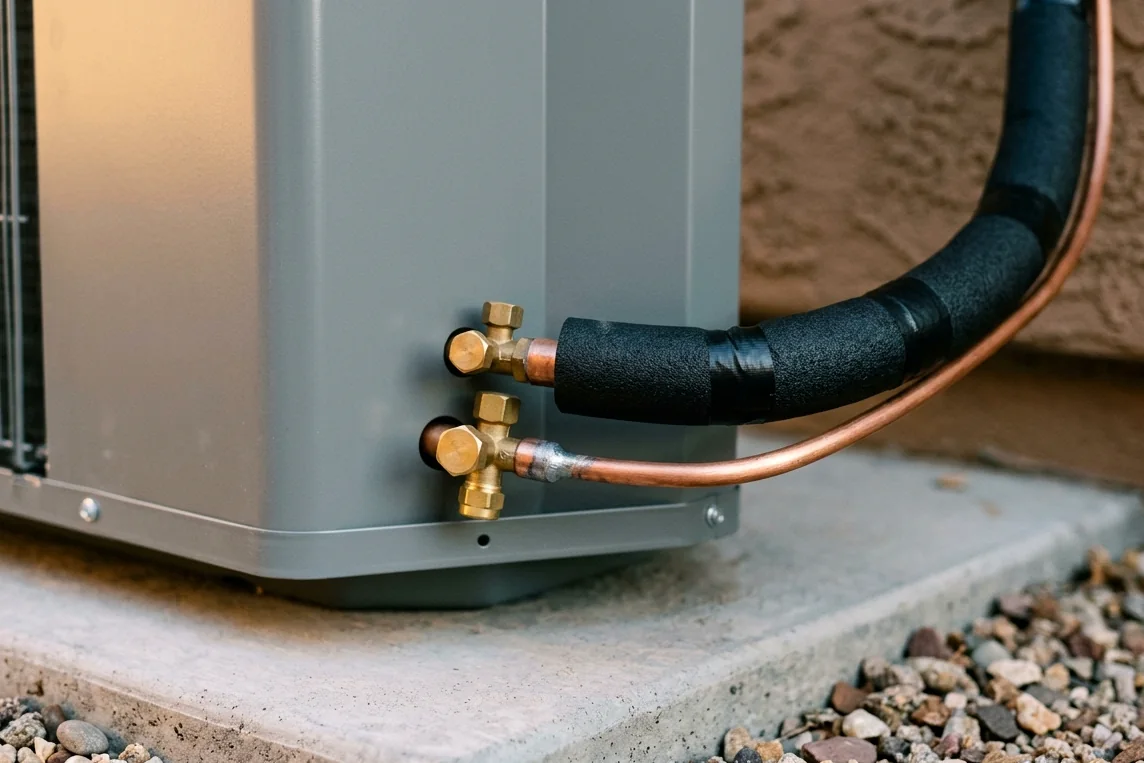
A2L systems are designed with this property in mind. Equipment includes refrigerant detection sensors and controls where required, and installers follow updated practices for line sets, brazing and leak testing. In normal operation, the refrigerant stays sealed inside the system just as it always has. For a homeowner, day-to-day life with an A2L system looks exactly like life with any other air conditioner.
Can you keep your old indoor coil with a new A2L condenser?
In general, no. Systems are engineered as matched sets, and the indoor coil, metering device and controls need to suit the refrigerant and the outdoor unit they work with. Pairing a new A2L condenser with an older R-410A or R-22 coil is not a supported setup and would undermine both efficiency and reliability. When we replace a split system, we replace the outdoor unit and the indoor coil together, and we inspect the line set to decide whether it can be reused or should be replaced.
This is also why older R-22 systems usually become replacement candidates when a major part fails. R-22 production ended in 2020, recharging it is expensive, and there is no practical way to drop a new-refrigerant part into an old R-22 system. Planning that replacement during the mild months gives you time to choose without the pressure of a July breakdown.
What does all this mean if your current system works fine?
Nothing changes for a working system. You are not required to replace an existing R-410A or R-22 air conditioner because of these rules, and existing equipment can still be serviced and repaired. R-410A remains available for servicing systems that use it, although its cost may change as supply shifts. The rules apply to new equipment being manufactured and installed, not to the system already running on your slab or roof.
The practical effect shows up later, when a major repair or replacement comes due. Knowing what refrigerant your system uses, how old it is and how it has been maintained lets you plan ahead. A yearly tune-up that keeps coils clean and catches small leaks early can stretch the life of an older system while you budget for the change.
How do we help you choose a new system?
We start with the house, not the equipment brochure. That means a load calculation based on your square footage, insulation, windows and orientation, plus a look at the ductwork, since SEER2 ratings assume ducts that can move the right amount of air. Then we lay out a few options at different efficiency levels with typical costs and what each one changes for comfort and monthly bills. We install and service Trane, Carrier, Lennox, Goodman, Rheem, Daikin and other major lines. Call (602) 848-9399 when you are ready to talk it through.