Furnace Repair
Gas furnace not lighting, short cycling or blowing cold? We repair igniters, flame sensors, inducers and pressure switches, and check venting and combustion safety.
See furnace repairHeat pumps and heating
A new furnace should match how lightly Phoenix homes use heat, fit your existing AC coil and blower setup, and vent safely. We plan the replacement around all three.
At a glance
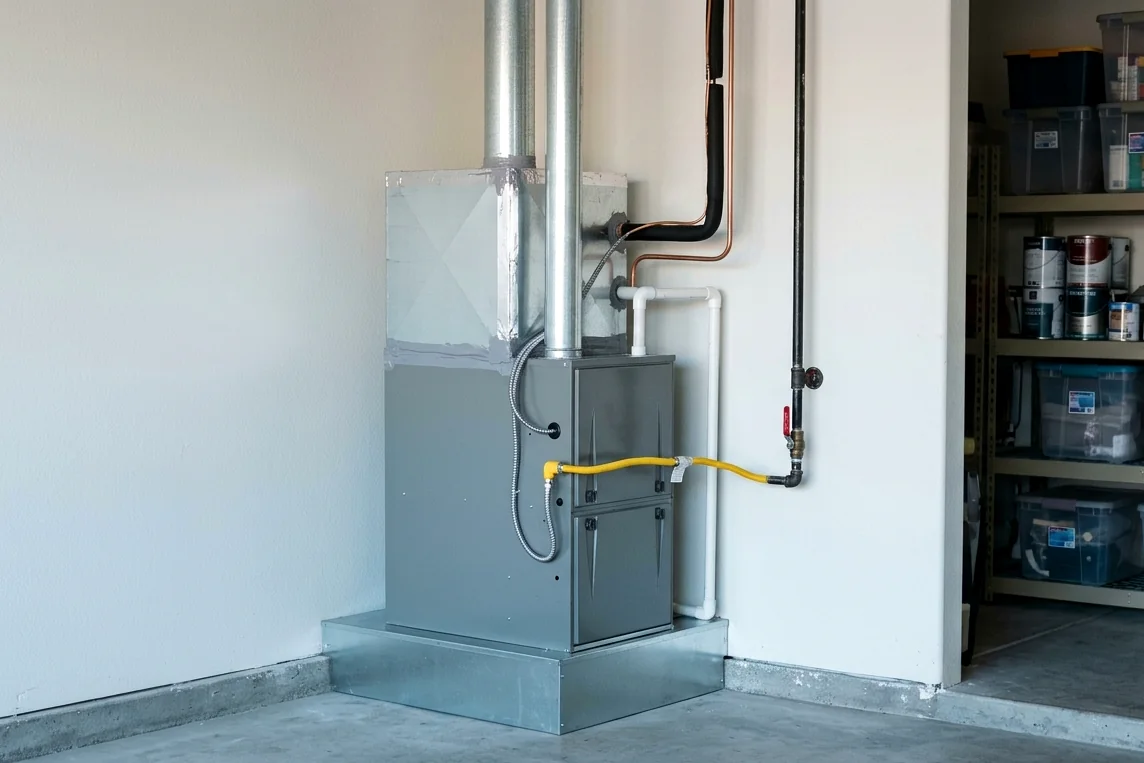
Furnace replacement removes an aging gas furnace and installs a new one sized for your home's heating load and matched to your air conditioning. In Phoenix it makes sense when the heat exchanger is cracked, repairs keep stacking up, the furnace is badly oversized, or you are replacing the AC at the same time. Because heating runs so few hours here, sizing, airflow and blower efficiency often matter more than peak furnace efficiency.
Furnace replacement in Phoenix works differently than in cold-weather states. A furnace here might run a few weeks a year, but its blower runs every day of the cooling season because it also moves the air for your AC. That means the blower motor's efficiency and the cabinet's fit with the evaporator coil can affect your summer bills more than the furnace's heating efficiency does.
Many older Valley homes have furnaces far larger than needed. A unit sized for a cold climate can heat a Phoenix home in minutes and then shut off, which shortens its life and makes rooms swing between warm and cool. We calculate your actual heating load and pick a furnace with the right output, then choose a blower configuration that supports the airflow your AC coil needs.
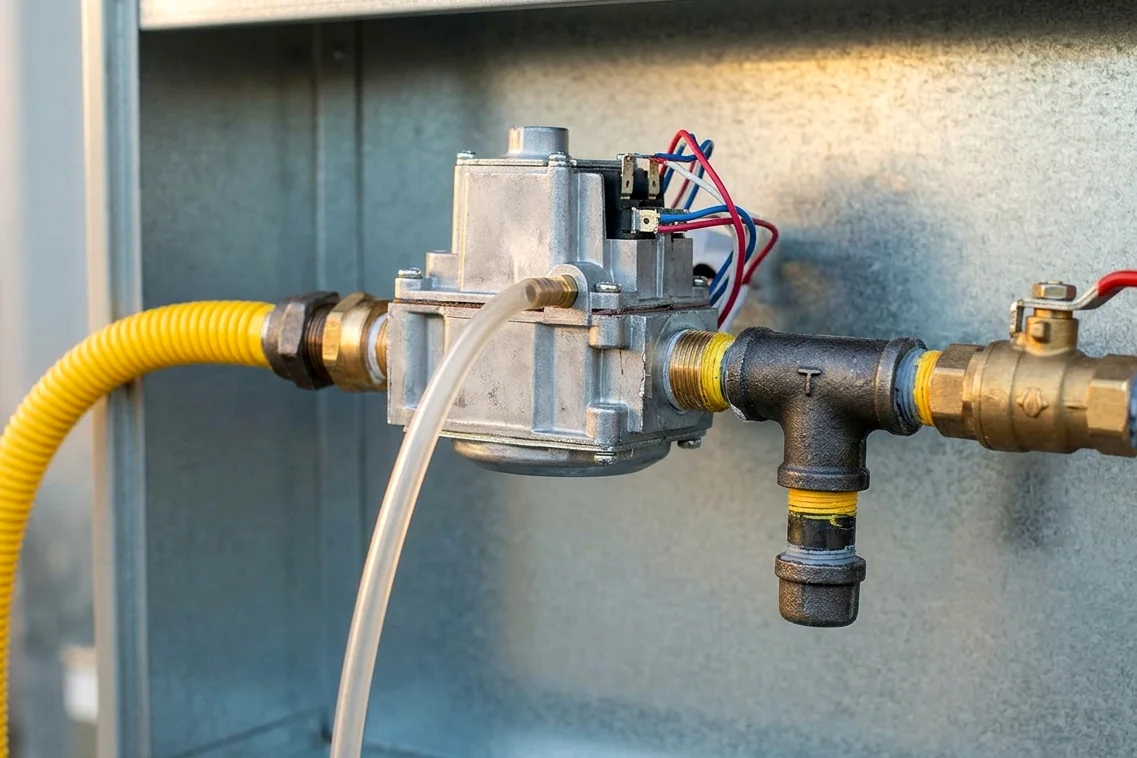
Installation includes more than the furnace itself. Venting must match the new unit's type, gas lines need proper connections and a sediment trap, and the cabinet must seal to the coil and return without air leaks. We also check that combustion air is adequate, especially for closet installations, and finish with gas pressure and carbon monoxide testing before we leave.
With mild winters and short heating seasons, the payback on the highest-efficiency condensing furnaces is slower here than in colder states. An 80 percent furnace is common in Valley homes and often the most practical choice, especially in attics where condensate drainage for a 90 percent or higher furnace adds complexity. We explain both options and help you weigh upfront cost against the hours your furnace actually runs.
The blower deserves equal attention. It moves air through your AC coil for months at a time during 110°F summers. A furnace with a variable-speed or constant-torque blower can lower summer energy use, improve dehumidification during monsoon weeks and run more quietly. For many Phoenix homeowners, that summer benefit, not the heating efficiency, is the strongest argument for choosing a better furnace.
Typical cost
Typical gas furnace installed, equipment and labor. A range, not a quote: the real number depends on what the technician finds. Full price guide
An 80 percent furnace with a standard blower in a closet or garage sits near the lower end of this range. High-efficiency condensing models, variable-speed blowers and attic installations push the cost higher. These figures are typical Phoenix ranges, not a quote, and the actual cost depends on what the technician finds during the in-home assessment.
| Line item | Typical range |
|---|---|
| 80 percent gas furnace installed | $3,485 to $5,267 |
| Variable-speed gas furnace installed | $4,873 to $6,694 |
| Condensing gas furnace installed | $5,486 to $7,863 |
How we handle it
We assess square footage, insulation, windows and duct location to determine how much heat your home actually needs. This prevents carrying forward an oversized furnace.
The new cabinet must align with your evaporator coil, and its blower must deliver the airflow the coil requires. We confirm dimensions and airflow before ordering.
Gas and power are shut off, the old furnace is disconnected and removed, and the stand, return connection and surrounding area are inspected and cleaned.
The new furnace is set level, venting is installed to fit its type and slope, and the gas line is connected with a sediment trap and leak tested.
We seal the furnace to the coil, supply plenum and return so the blower does not pull dusty attic or garage air into the system.
We measure gas pressure, temperature rise and static pressure, test for carbon monoxide, and run the system in heating and cooling to confirm everything works together.
Signs to watch
A crack can let combustion gases mix with household air. On most furnaces, replacing the heat exchanger costs close to a new unit, so replacement is usually recommended.
When igniters, inducers and boards keep failing season after season, the money spent on repairs can quickly approach the cost of a new, more reliable furnace.
A new AC coil must fit the furnace cabinet and work with its blower. Replacing both together avoids mismatched equipment and lets the blower support the new coil.
A furnace that heats the house in a few minutes and shuts off is short cycling. Right-sizing reduces wear and gives more even comfort through cool nights.
Very old furnaces with a standing pilot and no inducer motor are inefficient and harder to service. Parts become scarce, and modern furnaces are far safer.
Since the furnace blower also runs for cooling, an old, loud PSC blower can be a reason to upgrade to a quieter, more efficient variable-speed model.
Before you call
Anything beyond these checks involves electrical parts or refrigerant, so call (602) 848-9399 and let a technician take it from there.
We repair and replace Trane, Carrier, Lennox, Goodman, Rheem, Daikin and most other makes found in Valley homes.
Related work
Gas furnace not lighting, short cycling or blowing cold? We repair igniters, flame sensors, inducers and pressure switches, and check venting and combustion safety.
See furnace repairFall heating inspection for gas furnaces and heat pumps: flame sensor, igniter, heat strips, defrost controls, venting and carbon monoxide checks.
See heating tune-upLoad-calculated heat pump systems with matched indoor coils, correct heat strip sizing and full commissioning, designed for 115°F summers and mild Valley winters.
See heat pump installationAging, R-22 or repeatedly failing systems replaced with properly sized SEER2 equipment, with ducts, drain and electrical checked before install.
See ac replacementWhere we do this
These communities make up most of the homes we serve. Each link opens the local page with ZIP codes, typical homes and the issues we see there.
For most Phoenix homes, the payback on a 95 percent condensing furnace is slow because the furnace runs so few hours each year. An 80 percent furnace is usually the more practical choice, especially in attics. Where extra money often pays off is the blower: a variable-speed blower runs every day of the cooling season and can noticeably lower summer bills and improve comfort.
It is worth considering. Phoenix winters are mild enough that a heat pump can handle most heating hours efficiently, and it replaces both the furnace's heating role and the AC condenser with one outdoor unit. If you prefer gas heat or want very fast warm-up on cold mornings, a furnace still works well. We price both options so you can compare.
Yes, if the existing AC coil fits the new furnace cabinet and the system is in good shape. We check coil dimensions and the airflow your AC needs. If the AC is old, uses R-22 refrigerant or is close to replacement, doing both together usually costs less overall and avoids reworking the connections twice within a few years.
A straightforward replacement in a garage or closet usually takes most of a day. Attic installations take longer because of access, heat and the care needed to move equipment safely. We start attic jobs early in the morning during warmer months. Jobs that require venting changes or a new gas line may extend into a second day.
Many Phoenix homes need less heating capacity than their existing furnace provides, since older units were often sized generously. The right size depends on square footage, insulation, windows and duct location. A load calculation gives the real number. Right-sizing prevents short cycling, reduces wear and makes cool winter nights more comfortable with steadier heat.
It depends on the type. Replacing an 80 percent furnace with another 80 percent model typically reuses the metal flue if it is in good condition. A condensing furnace needs PVC venting and a condensate drain, which changes the route. We inspect the existing vent and explain any changes before work starts.
A real person answers (602) 848-9399 every hour of every day, and we will tell you plainly what the next step is.