In most Phoenix homes, a heat pump is the practical choice because winters are mild and the same unit handles summer cooling. Electric heat strips back it up on the coldest mornings. A gas furnace paired with an AC makes sense when the home already has gas service and ducted furnace equipment, or when the owners prefer very warm supply air. Both work well here when sized and maintained properly.
How cold does a Phoenix winter actually get?
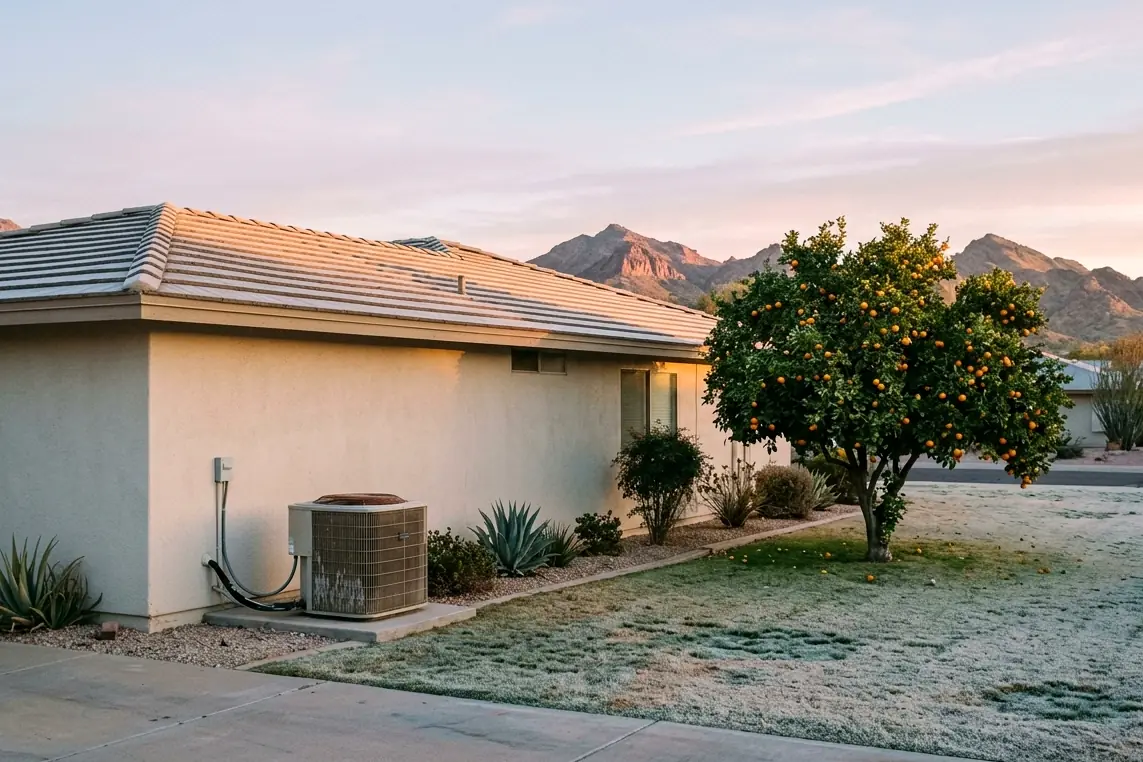
Winter in the Valley is short and gentle compared with most of the country. January highs typically sit in the mid 60s, and lows land in the mid 40s, with occasional nights that dip close to 32°F, especially in outlying areas and low spots away from the urban core. Homes rarely need heat for long stretches during the day, but early mornings and evenings can feel chilly, particularly in houses with single-pane windows or slab floors.
That climate shapes the heating decision. Equipment that would struggle in a northern winter does well here, and the heating side of a system runs a small fraction of the hours the cooling side does. The question is less about raw heating power and more about comfort, operating cost, what fuel the house already has and how the system fits with the air conditioning you depend on for half the year.
Why are heat pumps so common in Valley homes?
A heat pump is an air conditioner that can run in reverse. In summer it moves heat out of the house, and in winter it pulls heat from the outdoor air and moves it inside. Because it moves heat rather than creating it, a heat pump can deliver more heat energy than the electricity it uses, and it performs best in exactly the kind of mild winter Phoenix has.
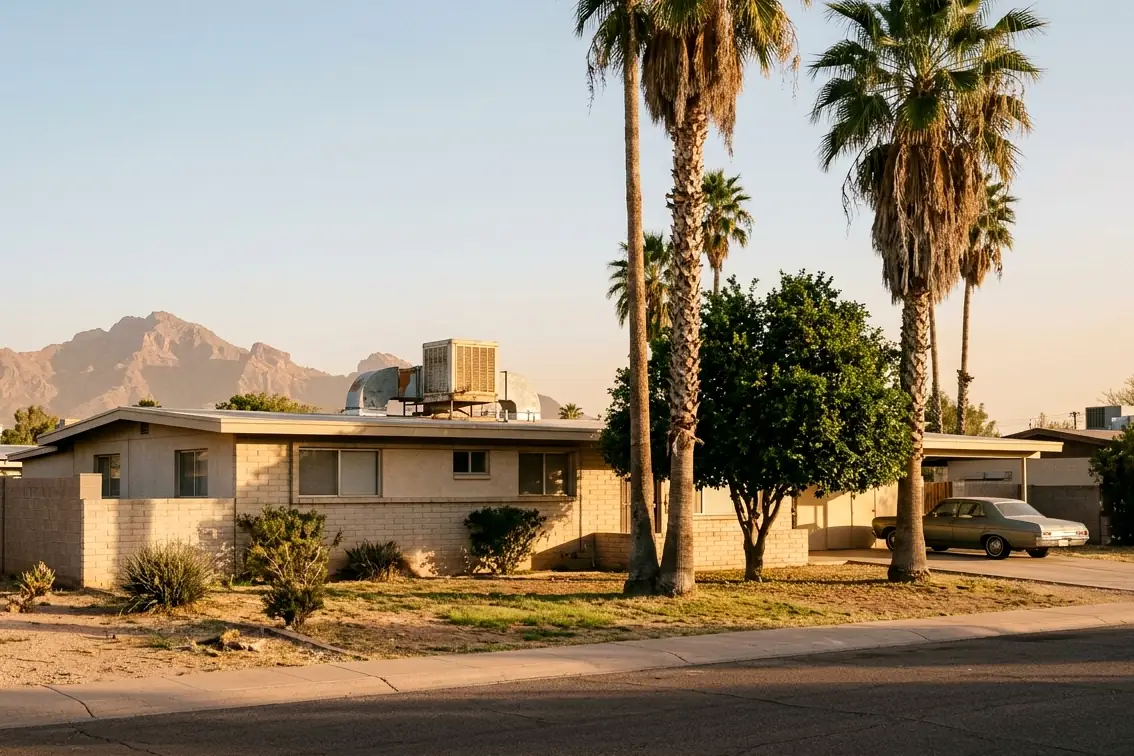
For many homes, the biggest advantage is simplicity. One outdoor unit handles both seasons, there is no gas line or flue to maintain, and all-electric homes avoid a separate heating appliance entirely. Many Valley houses built from the 1980s onward, along with manufactured homes and homes with roof-mounted package units, already use heat pumps for this reason. When the cooling side is replaced, the heating side gets upgraded at the same time.
What role do heat strips play?
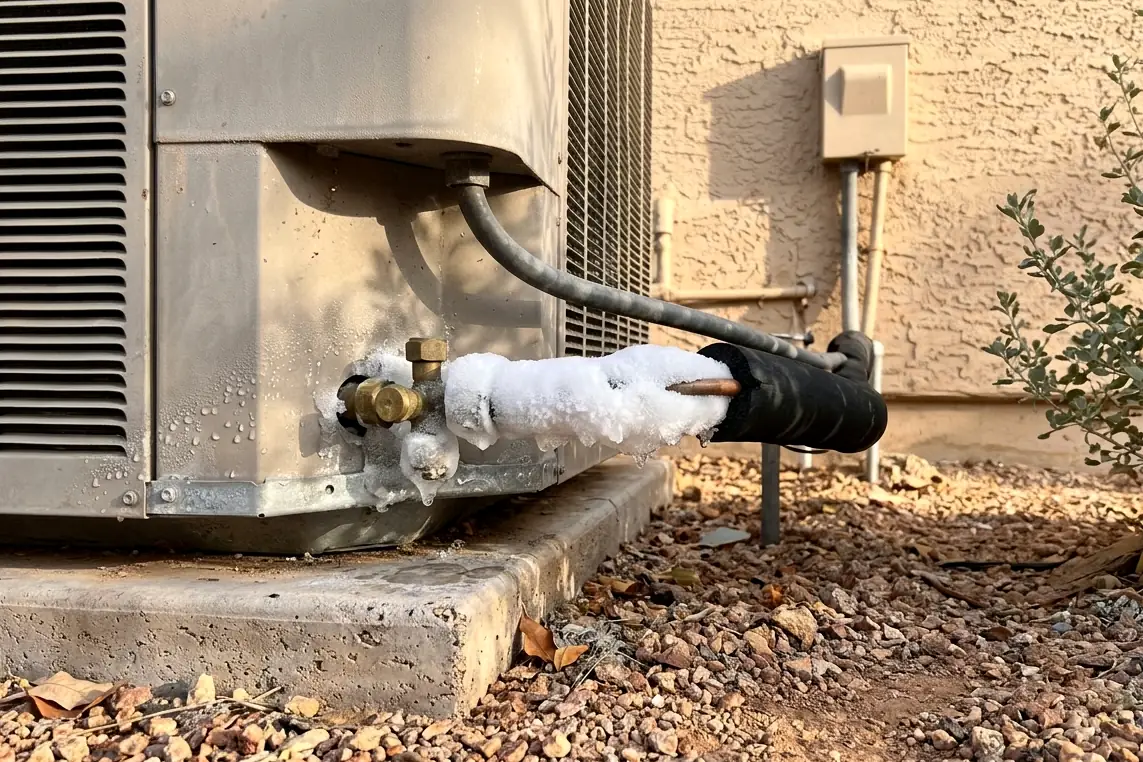
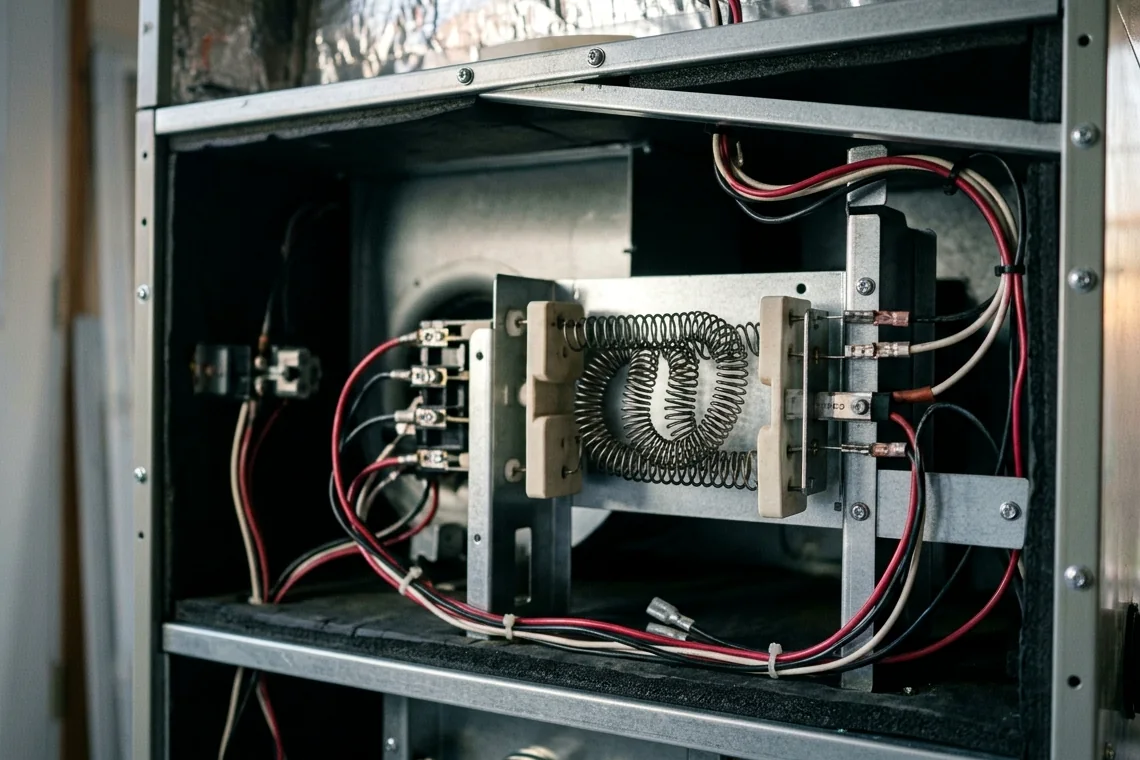
Most Phoenix heat pumps include electric heat strips in the air handler. These resistance coils act as backup on the coldest mornings, during defrost cycles and when the thermostat calls for a large temperature jump. They work like a big toaster element: simple and effective, but far more costly to run than the heat pump itself. On a properly working system, they should switch on briefly and then hand the job back to the heat pump.
That is why heat strips are worth watching. If they run often, your winter bill can climb quickly. Common causes include a heat pump that is low on refrigerant, a stuck reversing valve, a thermostat set to emergency heat by mistake, or large setbacks at night that force a big recovery in the morning. A burning dust smell the first few times the heat runs each fall is normal, but a strong or lasting burning odor is not.
- Avoid large overnight setbacks on a heat pump system
- Use emergency heat only if the heat pump has failed
- Raise the setting a degree or two at a time
- Call if the strips seem to run constantly
When does a gas furnace make more sense?
A gas furnace paired with a central AC is a solid choice in homes that already have gas service and a furnace in place, which includes many older central Phoenix neighborhoods and some custom homes. Replacing a failing furnace with another furnace avoids changing the electrical or duct setup, and the AC side can be replaced on its own schedule. Gas heat also produces warmer supply air than a heat pump, which some people simply prefer on a cold morning.
The trade-off is extra equipment. A furnace adds burners, a heat exchanger, a flue and gas connections that need yearly inspection, including a check for cracks and proper venting. Because furnaces in Phoenix run so few hours, many last a long time, but age still matters for safety. A carbon monoxide alarm near sleeping areas is a must in any home with gas appliances.
How do operating costs compare?
Exact numbers depend on your utility rates, so treat this as a general picture. Because a heat pump moves heat rather than burning fuel, it is usually inexpensive to run in Phoenix winter conditions, provided the heat strips stay in a backup role. Gas furnace costs depend on gas rates and furnace efficiency. In both cases, the heating portion of your annual energy bill is modest here compared with summer cooling.
That is the key point for most Valley homeowners: summer efficiency usually matters more to your total yearly cost than winter heating does. A high-efficiency heat pump improves both seasons at once, which is part of why it often wins the comparison. If you are on an APS or SRP time-of-use plan, check how winter on-peak hours apply, and look for current utility rebate programs on heat pumps.
Which choice fits your home?
The right answer often comes down to what is already in the house, what is wearing out and how you like your home to feel on a January morning. There is rarely one correct choice for every Phoenix home, so we usually walk through a short set of questions with homeowners before recommending anything, and we explain how each answer shifts the comparison between the two options.
- Does the home have gas service and a furnace already?
- Is the AC also near the end of its service life?
- Is the system a split system or a roof package unit?
- Do you prefer very warm supply air on cold mornings?
- Are there current rebates for heat pumps on your utility?
What winter service keeps either system safe?
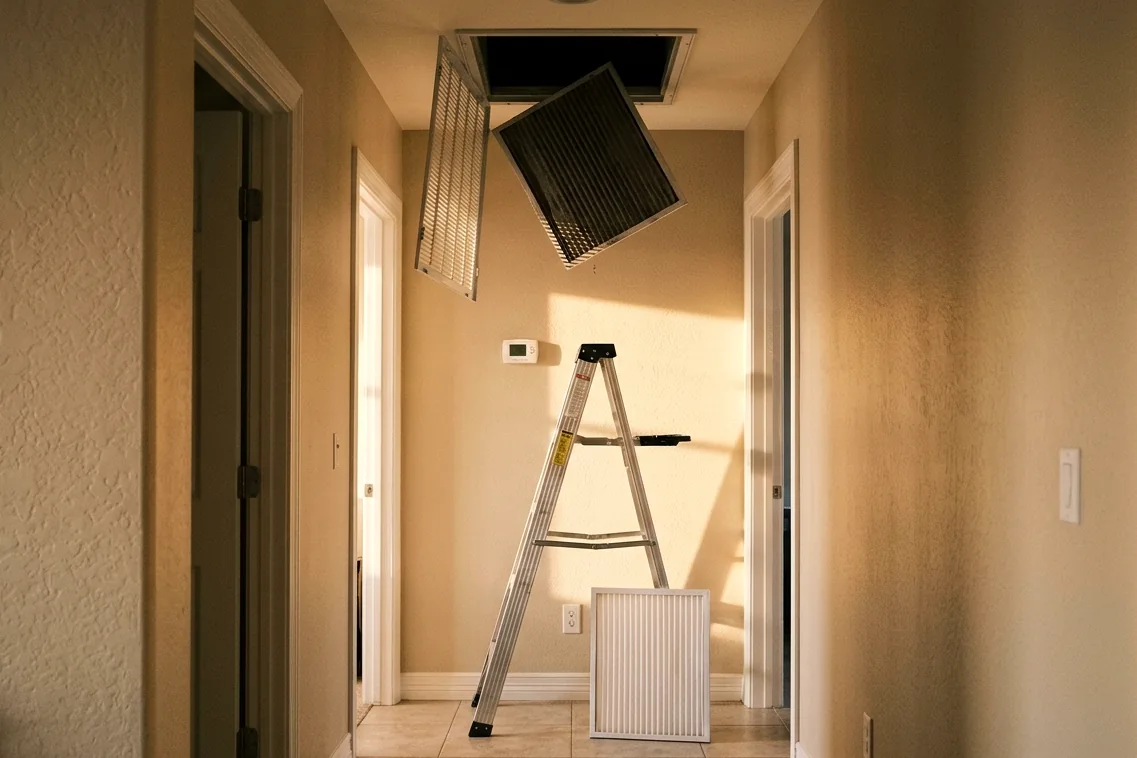
A heating tune-up in fall pays off whichever system you have. For heat pumps, our technicians test defrost operation, the reversing valve, refrigerant charge and heat strip elements and limits. For gas furnaces, we inspect burners, flame sensors, ignition, the heat exchanger and venting, and check for gas leaks and proper combustion. Both get a filter check, blower inspection and thermostat test. If your heat stops on a cold night or you notice a burning smell that will not go away, call (602) 848-9399 any time, day or night.