AC Replacement
Aging, R-22 or repeatedly failing systems replaced with properly sized SEER2 equipment, with ducts, drain and electrical checked before install.
See ac replacementAir conditioning
A new air conditioner is only as good as its sizing, ductwork and setup. We plan Phoenix installations around real heat loads, so the system cools evenly, dries the air and doesn't short cycle.
At a glance
AC installation is putting a central air conditioning system where one doesn't exist yet, or adding a separate system for a new addition, casita, converted garage or second story. In Phoenix, a proper installation starts with a load calculation for that space, accounts for attic heat and sun exposure, and includes ducts, electrical, drain and refrigerant work. You need it when you're building, adding square footage, or moving off evaporative cooling or window units.
Installing a system from scratch gives you a chance to get every detail right. That begins with a room-by-room load calculation that weighs square footage, window size and direction, insulation levels, ceiling height and how much afternoon sun hits each wall. In Phoenix, a west-facing bedroom with a large window can need almost twice the airflow of a north-facing room the same size. Skipping that math is how homes end up with one icebox room and one that never cools.
Most new installations we handle fall into a few groups. Homeowners add a split system or ductless unit for a garage conversion, guest casita or room addition. Older homes that relied on evaporative coolers move to refrigerated air. Custom builds and major remodels need a complete system designed with new ductwork. Each job pulls in electrical capacity, a condensate drain route, a safe spot for the outdoor unit and a thermostat location that reads true room temperature.
New equipment sold today carries SEER2 efficiency ratings, and systems made since 2025 use A2L refrigerants such as R-454B or R-32. Arizona falls in the Southwest region, which has higher minimum efficiency rules for central air than northern states. We'll walk you through what those changes mean, which efficiency level pays off under APS or SRP time-of-use rates, and how to check current utility rebate programs. Then you pick the system that fits your space and budget.
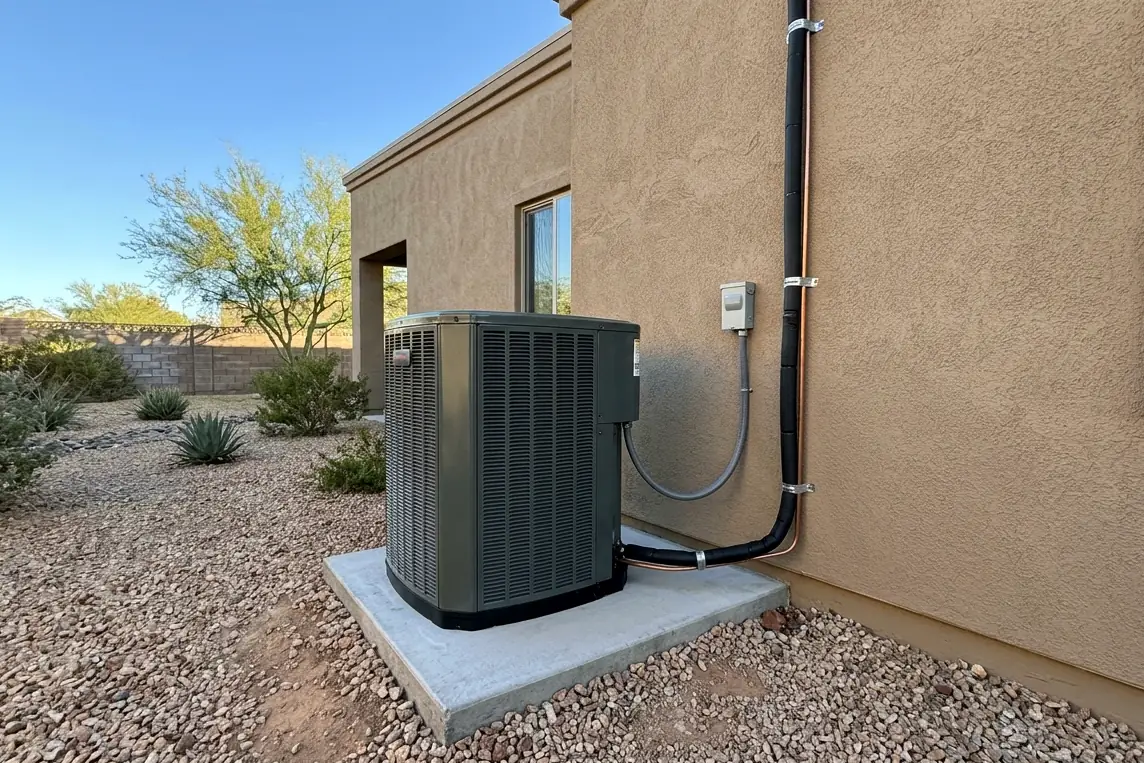
A system installed in Phoenix has to perform at outdoor temperatures that many equipment brochures barely address. We size for design days well above 105 degrees, then check that the outdoor unit has room to breathe and stays out of reflected heat from block walls. Placement matters: a condenser jammed into a narrow side yard recirculates its own hot exhaust, raising pressures and power use. Shade from the structure, without blocking airflow, can help efficiency on the hottest afternoons.
Attics are the other big factor. When an air handler and ducts sit in an attic that reaches 140 to 160 degrees, every leak and thin spot in the duct insulation costs you cooling. On new installs, we seal joints with mastic, use properly insulated duct and keep runs short and direct. We also plan a primary and secondary drain with a float switch, because Phoenix hard water and dust clog drain lines and an overflow above a ceiling is an expensive surprise.
Typical cost
Typical installed system, equipment and labor. A range, not a quote: the real number depends on what the technician finds. Full price guide
A single ductless head for a casita sits at the low end, while a full split system with new ductwork for a home that never had central air sits at the high end. These are typical Phoenix ranges, not quotes. The real number depends on what the technician finds in the attic, the panel and the space during the walk-through.
| Line item | Typical range |
|---|---|
| Single-zone ductless system installed | $4,865 to $7,385 |
| Split system with new ductwork | $9,485 to $14,635 |
How we handle it
We look at the area to be cooled, the attic, the electrical panel and possible outdoor unit locations, and ask how you use the rooms day to day and in summer.
Measurements of rooms, windows, insulation and orientation go into a load calculation, which tells us the right capacity and how much airflow each room needs.
You'll see a few system choices at different efficiency levels, with typical operating cost differences for Phoenix summers, so you can weigh the upfront price against monthly bills.
Our crew installs or modifies ductwork, sets the pad or stand, runs the line set and drain, and confirms the electrical circuit and disconnect are sized for the new equipment.
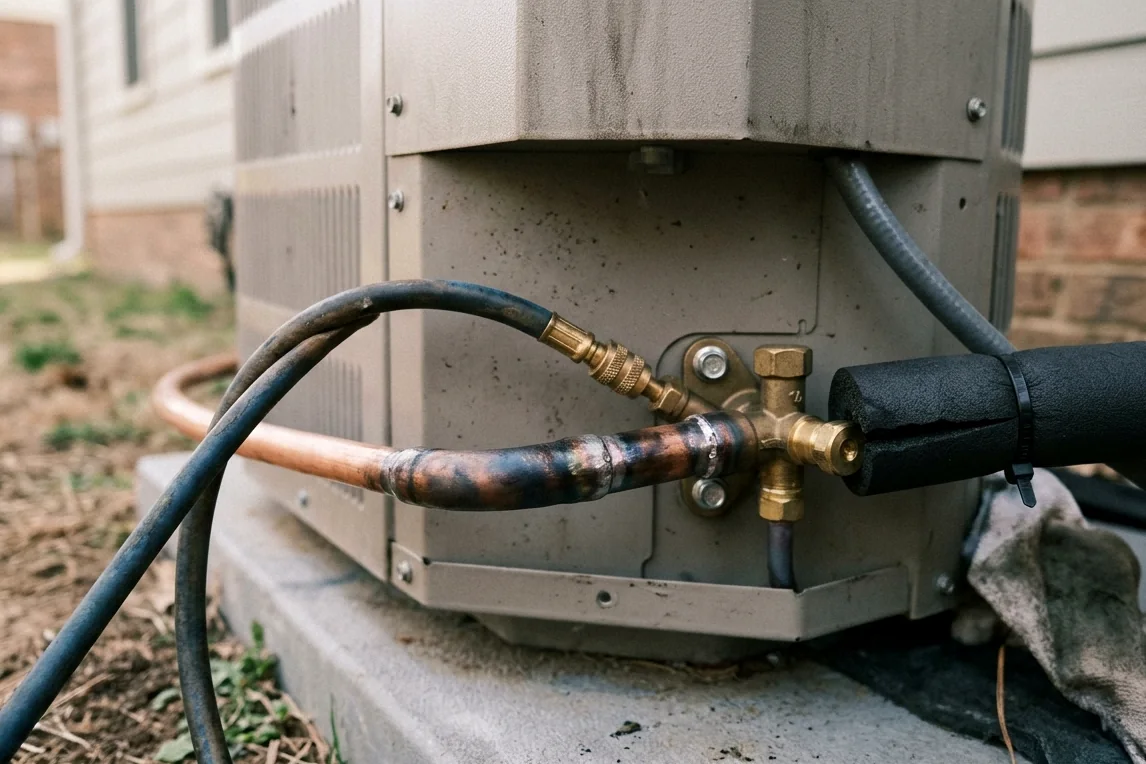
Equipment gets set level, lines are brazed with nitrogen flowing, the system is pressure tested and vacuumed, and refrigerant is charged and adjusted to the manufacturer's specs.
We measure airflow, temperature split and amp draw, test the float switch and walk you through the thermostat, filter size and change schedule before we leave.
Signs to watch
A room addition, second story or enclosed patio usually overwhelms the existing system. A dedicated split or ductless unit keeps the new space cool without starving the rest of the house.
Garages and detached casitas rarely have ductwork or insulation planned for living space. A properly sized system makes them usable through a Phoenix summer instead of only in winter.
Evaporative cooling struggles once monsoon humidity arrives. If your home relies on one, adding refrigerated air gives you dependable cooling from July through September.
Several window units mean noise, high bills and blocked views. A central or ductless system cools more evenly and opens up the windows in bedrooms and living areas.
New construction and full remodels are the best time to design ducts correctly, place returns well and run refrigerant lines before drywall goes up.
A bonus room or upstairs that stays warm, even after duct fixes, may need its own system or zone instead of more air pushed from an already strained unit.
Before you call
Anything beyond these checks involves electrical parts or refrigerant, so call (602) 848-9399 and let a technician take it from there.
We repair and replace Trane, Carrier, Lennox, Goodman, Rheem, Daikin and most other makes found in Valley homes.
Related work
Aging, R-22 or repeatedly failing systems replaced with properly sized SEER2 equipment, with ducts, drain and electrical checked before install.
See ac replacementSingle-zone and multi-zone ductless systems for garages, casitas, additions and hot rooms, sized for Phoenix heat and installed with tidy line covers outside.
See mini-split installationSwamp cooler removed, roof opening sealed and refrigerated air installed with properly sized ducts, electrical and drain for year-round comfort.
See cooler to ac conversionNew supply and return duct systems designed for your Phoenix home, with correct sizing, higher-rated insulation, sealed joints and measured airflow at every room.
See duct replacementWhere we do this
These communities make up most of the homes we serve. Each link opens the local page with ZIP codes, typical homes and the issues we see there.
A ductless system for a casita or garage usually takes one day. A split system that uses existing ductwork takes about a day as well. A home that needs new ductwork, electrical upgrades and a full system can take two to four days. We'll give you a realistic schedule after the walk-through, and we work in the attic early to avoid peak heat.
There's no single answer, which is why we run a load calculation. Two homes the same size can need very different capacity based on window area, which way the house faces, insulation, ceiling height and duct location. Rules of thumb often oversize systems, which leads to short cycling and clammy rooms. A proper calculation gets the size right.
For a single converted garage or casita, a ductless mini-split is often the better fit. It avoids running ducts through a hot attic, heats with a heat pump in winter and lets that space have its own thermostat. A ducted system can work if the space connects easily to existing ductwork and the current unit has capacity to spare.
Yes. New residential air conditioners and heat pumps made since 2025 use A2L refrigerants, mainly R-454B or R-32, in place of R-410A. They have lower global warming impact and require slightly different handling and components. Our technicians install them to the manufacturer's requirements, and we'll explain what that means for future service on your system.
Yes, and it's one of the most common installations we do in central Phoenix neighborhoods. The work often includes adding or resizing ductwork, closing off the cooler's roof opening, upgrading the electrical circuit and choosing a spot for the outdoor unit. Our evaporative cooler conversion page covers that project in more detail.
Most new HVAC installations involving new equipment, electrical work or ductwork require a permit from the city or town where you live. Requirements vary between Phoenix and the surrounding Valley cities. We handle the permit process as part of the installation and schedule any required inspection, so you don't have to sort out the paperwork yourself.
A real person answers (602) 848-9399 every hour of every day, and we will tell you plainly what the next step is.