AC Tune-Up
Capacitor tests, coil cleaning, drain flushing and refrigerant readings that catch weak parts in spring, before Phoenix summer heat finds them.
See ac tune-upAir conditioning
A maintenance plan puts your cooling and heating checkups on a schedule, so you don't have to remember them. In Phoenix, that steady attention keeps systems running through long summers with fewer surprises.
At a glance
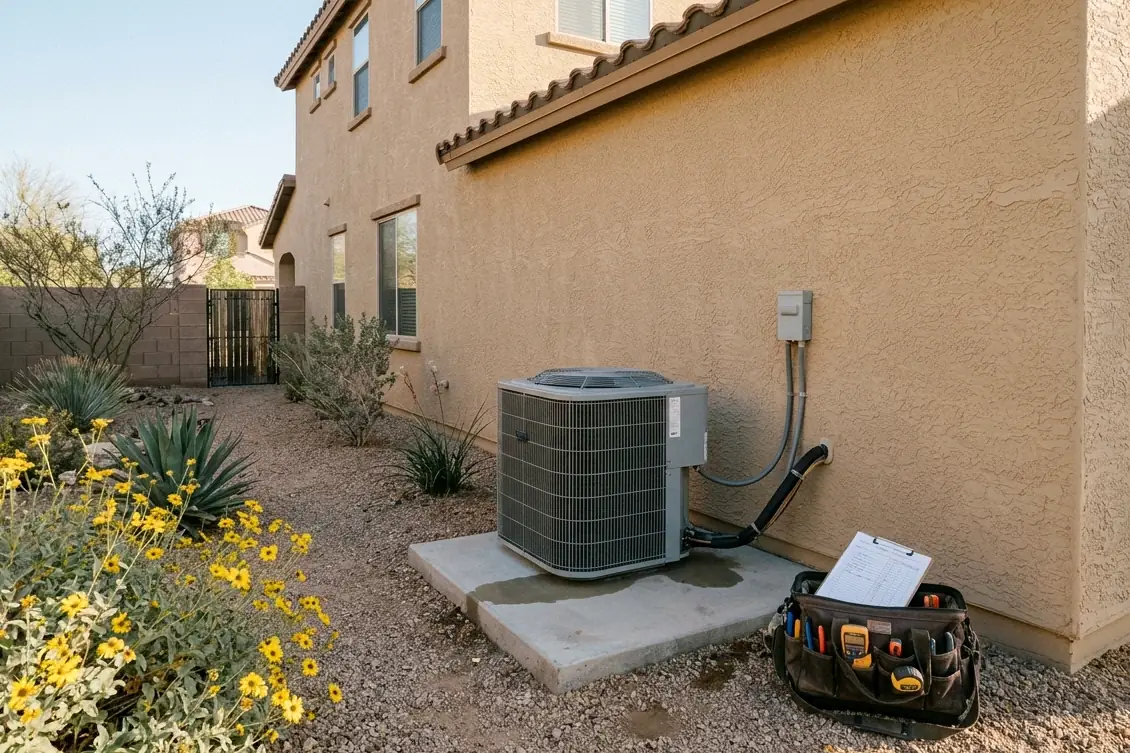
An AC maintenance plan is a yearly agreement that covers scheduled service visits for your heating and cooling system, typically a spring cooling tune-up and a fall heating check, plus priority scheduling and reduced repair rates. In Phoenix, plans make the most sense for homes with older systems, rooftop package units, more than one system, or anyone who wants spring service handled automatically before the summer rush.
Most people mean to schedule a spring tune-up and then remember it the first afternoon the house won't cool down. A maintenance plan takes that off your list. We reach out in spring to set your cooling visit and again in fall for heating, at times that work for you. Each visit follows the same thorough checklist, and our technicians record the readings, so your system has a running history instead of scattered invoices.
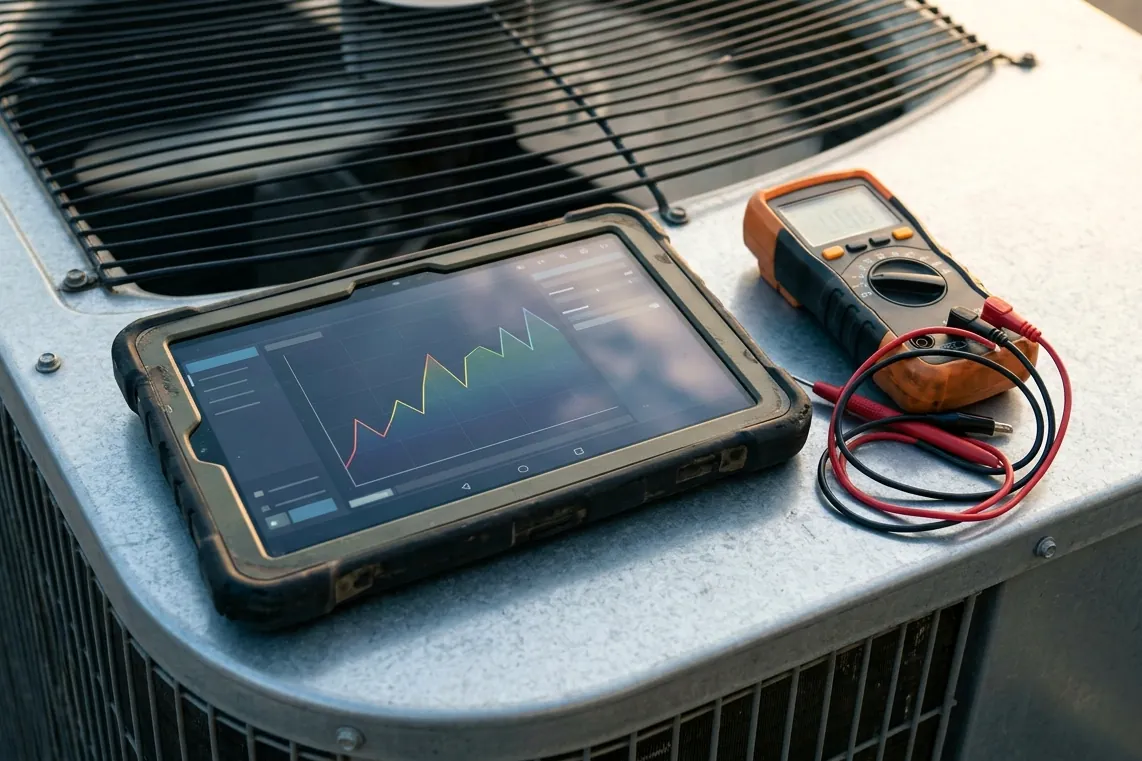
That history is worth more than it sounds. When we compare this spring's capacitor readings, refrigerant pressures and amp draws with last year's, gradual decline shows up clearly. A capacitor drifting down, a superheat reading creeping up or a blower motor drawing more current tells us where trouble is building. You can plan a repair in April instead of facing it on a Saturday in July. For older systems, those trends also help you decide when replacement makes sense.
Plan members also get priority when the phones are busiest. During heat waves and after monsoon storms, call volume can triple, and members move ahead in the schedule for non-emergency repairs. Repair work for members is billed at a reduced rate, and the plan covers every system in the home with clear per-system pricing. There's no long contract: plans run year to year, and you can call (602) 848-9399 to start, change or cancel.
Signs to watch
If last year's tune-up never happened, a plan handles the reminder and scheduling, so the system gets attention before temperatures pass 100 degrees and the summer rush begins.
Older systems benefit most from yearly readings that catch failing parts early. Tracking trends helps you squeeze more life out of the equipment and plan replacement.
Larger homes with two or three systems, or a separate casita unit, are easier to keep up when every system is on the same schedule and plan.
Package units on the roof take direct sun and dust all summer and are easy to forget. Scheduled service keeps their coils, belts and drains from being neglected.
If someone in your home can't tolerate heat, a breakdown in July is a safety issue. Regular maintenance and priority scheduling lower the risk of long outages.
A plan spreads maintenance into a known yearly cost and reduces repair rates, which helps households that want fewer surprise invoices during the cooling season.
Phoenix systems log far more hours than systems in most of the country, and wear tracks hours, not calendar years. A unit running from April into October, often through the night in July, collects dust, heat stress and electrical wear quickly. One spring visit catches most problems before summer, while a fall check catches post-monsoon damage and readies the heat pump or furnace for chilly January nights. Two visits a year match the way Valley systems are actually used.
Timing is the other advantage. Spring scheduling fills up as soon as the first 100-degree days arrive, and by June, a routine tune-up can mean a wait. Plan members are booked ahead of that rush. When a monsoon storm knocks out capacitors across a neighborhood, members also move ahead in line for repairs. With overnight lows sometimes staying above 90 degrees, getting a technician out sooner can be the difference between an uncomfortable night and a dangerous one.
How we handle it
Give us a call at (602) 848-9399 and we'll note each system in your home, its age and location, and set up the plan around your schedule.
In March, April or May, we perform a full cooling tune-up: capacitor and electrical testing, coil cleaning, drain flushing and float testing, refrigerant readings and a temperature split check.
Every measurement goes into your system's service history, so each year's numbers can be compared with the last and gradual decline is easy to spot.
If something fails during the season, members move ahead in the schedule for repairs and receive reduced repair rates, with the price explained before work starts.
In October or November, we inspect the heat pump reversing valve and defrost, heat strips or furnace burners and safeties, and clean up any post-monsoon dust.
At renewal, we summarize your system's condition and the trends we've seen, so you know whether it's holding steady or approaching the point to plan replacement.
Before you call
Anything beyond these checks involves electrical parts or refrigerant, so call (602) 848-9399 and let a technician take it from there.
Typical cost
Typical yearly plan for one system. A range, not a quote: the real number depends on what the technician finds. Full price guide
A plan for a single split system or heat pump sits near the low end. Rooftop package units and homes with gas furnaces needing combustion checks sit higher, and additional systems are added at a reduced rate. These are typical Phoenix ranges, not quotes; the real price depends on your equipment and what the technician finds at the first visit.
| Line item | Typical range |
|---|---|
| Maintenance plan, one system yearly | $179 to $265 |
| Each added system per year | $119 to $185 |
We repair and replace Trane, Carrier, Lennox, Goodman, Rheem, Daikin and most other makes found in Valley homes.
Related work
Capacitor tests, coil cleaning, drain flushing and refrigerant readings that catch weak parts in spring, before Phoenix summer heat finds them.
See ac tune-upFall heating inspection for gas furnaces and heat pumps: flame sensor, igniter, heat strips, defrost controls, venting and carbon monoxide checks.
See heating tune-upInside-out rinsing and coil cleaner remove packed monsoon dust from outdoor coils, lowering pressure, power draw and compressor heat.
See condenser coil cleaningClogged condensate line or a tripped float switch? We clear algae and scale, flush the drain, check pans and traps, and confirm water drains clearly again.
See ac drain line cleaningWhere we do this
These communities make up most of the homes we serve. Each link opens the local page with ZIP codes, typical homes and the issues we see there.
Each plan includes a spring cooling tune-up and a fall heating check for every enrolled system, with capacitor and electrical testing, coil cleaning, drain flushing, refrigerant readings and safety checks. Members get priority scheduling for repairs, reduced repair rates and a service history that tracks readings year over year. Parts found worn are quoted separately before any replacement.
For new equipment, the plan's main value is keeping the system clean, keeping the drain clear and maintaining records many manufacturers expect for coverage. Phoenix dust and heat affect new systems too. If you'd schedule two visits a year anyway, a plan usually costs about the same or less and adds priority service during busy summer weeks.
During heat waves and after monsoon storms, members move ahead of non-member calls for repairs, while true emergencies involving vulnerable people are always handled first. In practice, that often means a same-day visit when general wait times are longer. We answer (602) 848-9399 around the clock, and members simply mention their plan when they call.
Yes. You can add any system at your home, including a casita unit, a garage mini-split or a second system for an upstairs. Each added system gets its own seasonal visits at a lower per-system rate. Rental properties elsewhere in the Valley can be covered under a separate plan, and we can coordinate access with tenants.
The plan covers the inspection, cleaning, testing and adjustment work at each visit. Parts like capacitors, contactors, motors and refrigerant are not included, but members pay reduced repair rates. If we find a part wearing out, we'll show you the reading, explain the risk and quote the replacement before we do any work.
Yes. Plans renew year to year with no long-term contract. If you move, sell the home or replace the system, give us a call and we'll cancel or adjust the plan. If you're staying in the Valley, we can often move the plan to your new address and keep your service records with it.
A real person answers (602) 848-9399 every hour of every day, and we will tell you plainly what the next step is.